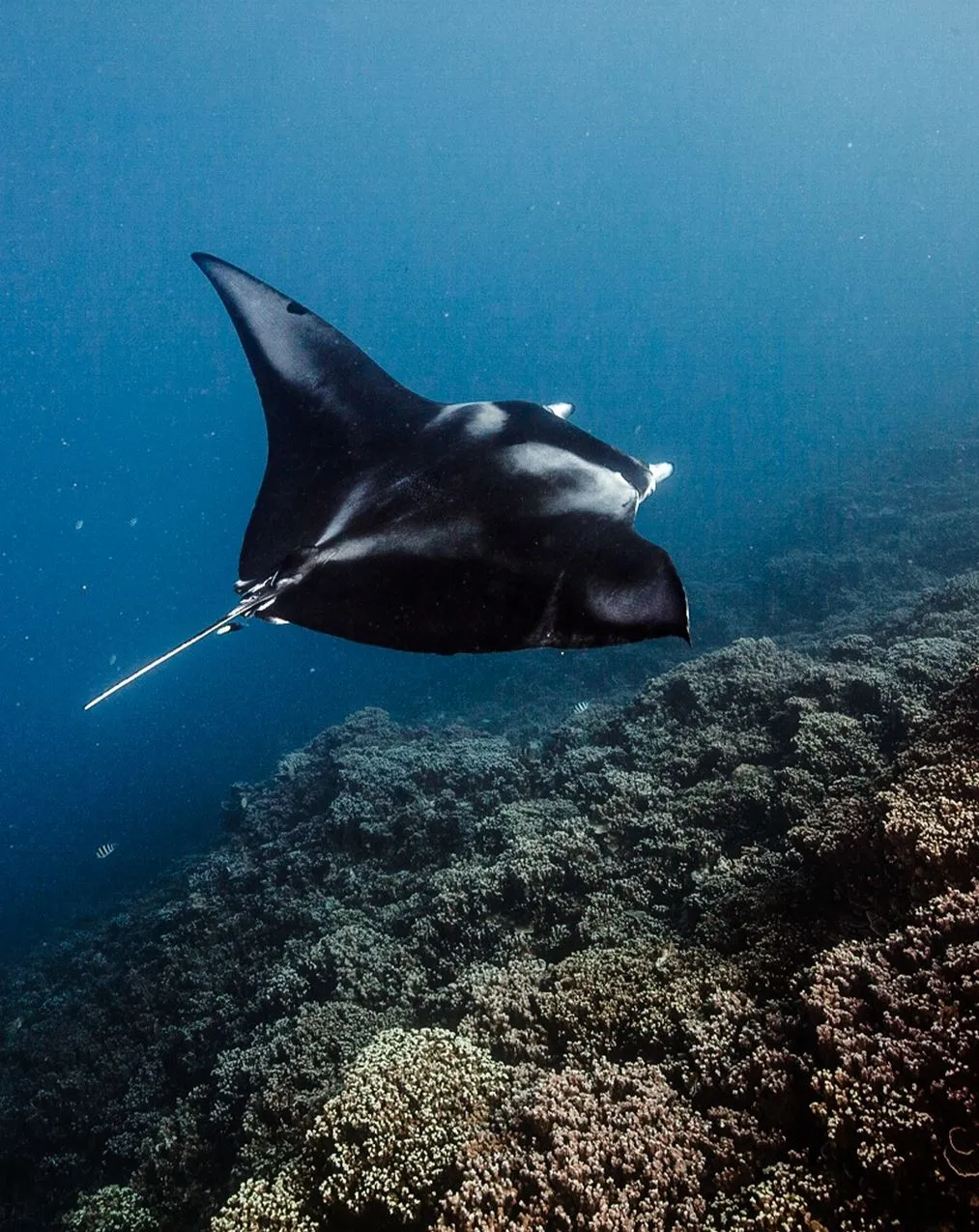
I’ve had more cups of tea on liveaboard decks than I’ve had real hot dinners. Where to see Manta Rays on the Great Barrier Reef? – a question that crops up on me every dry spell like clockwork. These beautiful filter feeders glide effortlessly through Tropical North Queensland‘s waters in a way I could only dream of – even after all these years of guiding tourists across coral reefs from the Southern end of the Great Barrier Reef all the way up to the Ribbon Reefs. They are proper, gentle souls, curious, calm and big enough to make you forget the dramas that your GPS caused that morning.
Today I’m going to take you through the islands, the cleaning stations, the operators, the timing windows and some local tips that will actually give you a real shot at spotting a Reef Manta Ray or even the odd Giant Manta Ray – no glossy brochures or sales pitches – just the real deal from a bunch of years guiding on the reef.
Key Facts About These Majestic Rays
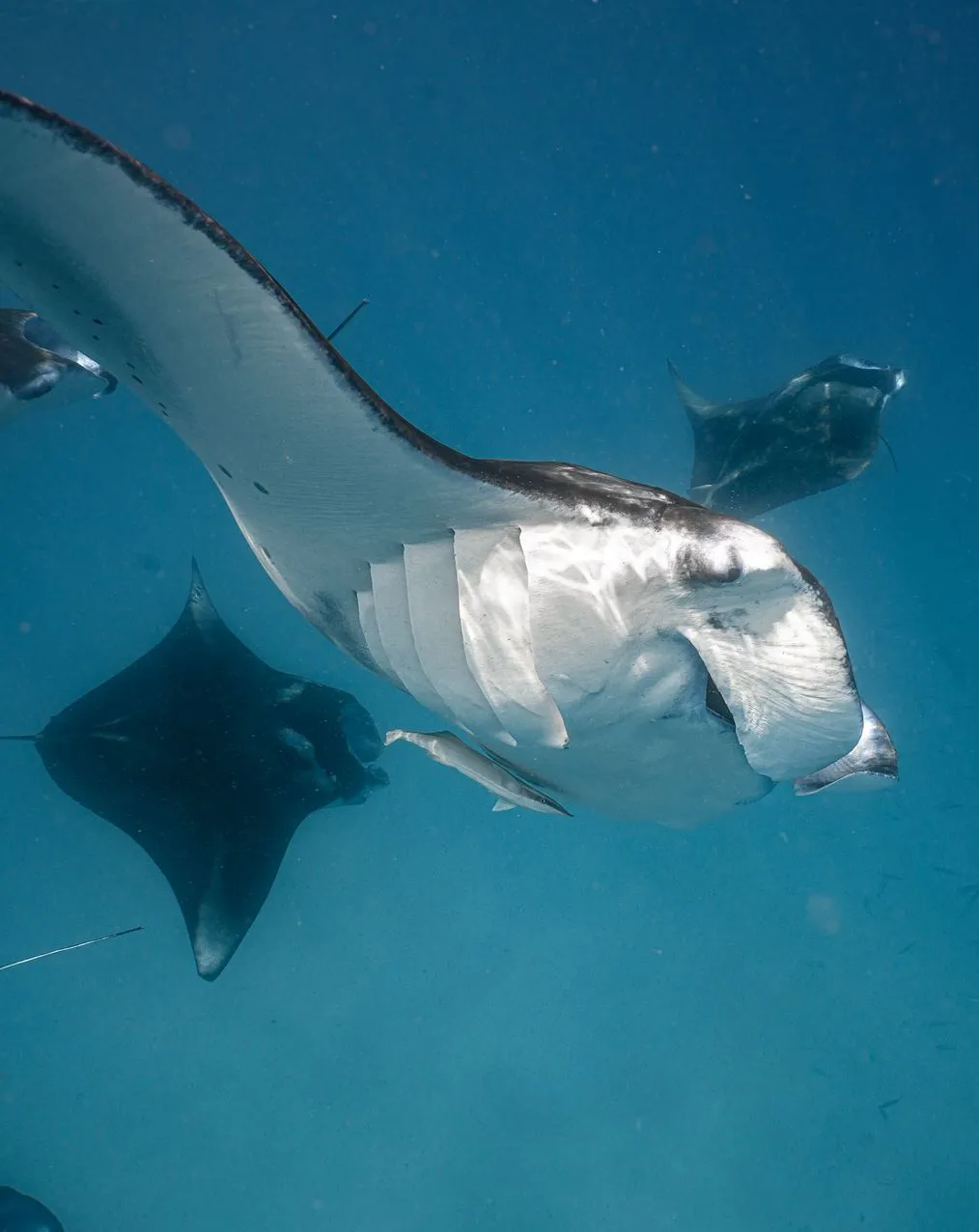
Most people are surprised to find out the Great Barrier Reef is actually home to the Reef Manta Ray (Mobula alfredi) and even the occasional Giant Manta Ray – both just cruising around the Marine Park like a couple of ocean wanderers. They can grow up to a massive 5–7 metres and glide right through the reef ecosystems that are also host to sea turtles, Potato Cod, reef sharks, Maori Wrasse and the rest of the Great Eight.
If you’ve never floated above one, then try to picture this – a giant underwater bird flapping its massive wings slowly in the deeper blue, and yellow butterfly fish darting around the cleaning stations as the coral gardens sway gently below. It’s bloody hypnotic. I’ve seen scuba diving groups just forget to check their gauges for ages because a whole train of mantas drifted past – gill rakers wide, plankton blooms swirling in the current.
A Few Quick Facts That Might Interest You
- Mantas are harmless filter feeders – no barbs or stingers.
- They feed on plankton blooms, not humans.
- They have the largest brain of any marine species relative to body size.
- Researchers from Project Manta – University of the Sunshine Coast have documented some pretty interesting stuff, like their reproductive markers, melanistic DNA patterns and complex mating rituals.
- They’re listed on the IUCN Red List as “Vulnerable”, which means they’re benefiting from all that ongoing research and conservation efforts through the Marine Park Authority, Citizen Science, Eye on the Reef Sightings and long-term monitoring teams.
Top Spots for Regular Wildlife Sightings
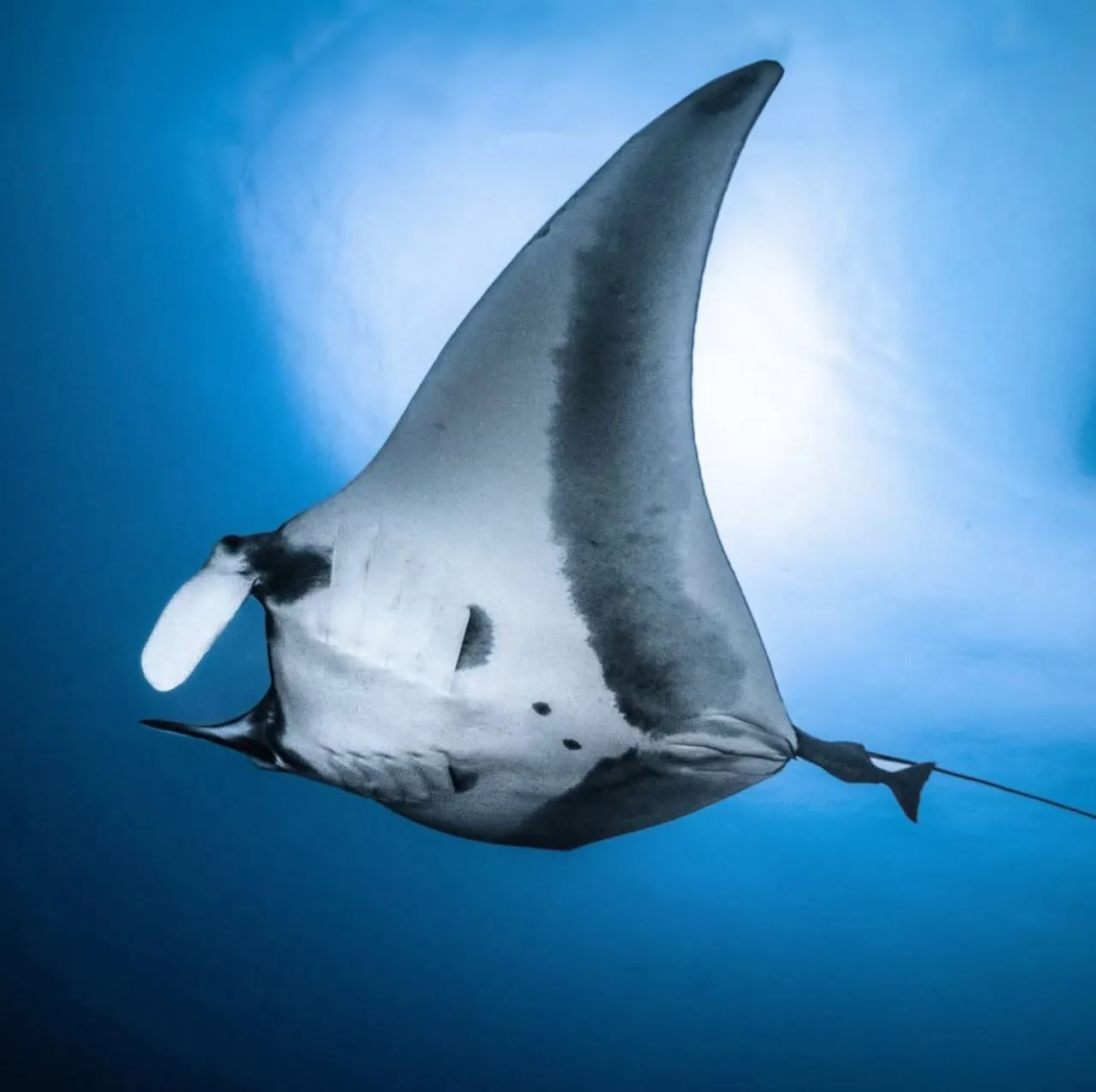
These places don’t just claim manta sightings – they actually have the right kind of reef, current lines and cleaning stations that bring the mantas back again and again. Think of them as your best bet, but don’t get your hopes up – it’s still a wild animal and wild animals don’t clock in to work like regular crew.
Lady Elliot Island – A Manta Ray Paradise
At the entrance to the Southern Great Barrier Reef, Lady Elliot Island is Australia’s top spot to catch a glimpse of manta rays. The island’s location, combined with its renewable-energy powered Eco Resort and healthy coral reefs, makes it a key gathering site for these magnificent creatures. It’s not uncommon to see manta rays up close, observing their mating rituals, feeding circles, and cleaning-station routines year in and year out.
The team at the Lady Elliot Island Eco Resort work closely in partnership with the folks at Project Manta and Citizen Science, so you can be sure the island’s manta database is one of the most comprehensive in the country.
Lady Musgrave Island – A Hidden Manta Haven
Out in Lady Musgrave Island‘s lagoon, the mantas like to cruise by during the months when the plankton is plentiful, giving glass-bottom boat tourists a treat when they spot the shadows of these magnificent creatures gliding past giant clams and even the odd green sea turtle (Chelonia mydas). The surrounding reef is also home to an amazing array of sea life, including Hawksbill Turtle (Eretmochelys imbricata) and Loggerhead Turtle (Caretta caretta) activity – especially during turtle hatchling season.
Ribbon Reefs – The Manta Hotspot
Up in northern Queensland, the Ribbon Reefs between Lizard Island and Port Douglas are a hotspot for manta ray sightings. At Lighthouse Bommie, I’ve even had the privilege of hovering alongside a Dwarf Minke Whale in June, only for a reef manta ray to glide silently beneath me. These reefs have got to be some of the most picturesque in Queensland, where it’s not uncommon to see an ornate eagle ray or even a blotched fantail ray make an appearance.
Osprey Reef – Only For The Brave
If you’re up for a real adventure – and a chance to see some of the ocean’s top predators in pristine condition – Osprey Reef is the place to go. From reef sharks to potato cod, the underwater world here is an absolute treat – and yes, you’ll even catch a glimpse of the occasional manta. It’s not for the faint of heart, though – this place is pretty rough in bad weather and best suited to seasoned divers.
Quick Reference Table
| Location | Best Season | Encounter Reliability | Notable Marine Life |
|---|---|---|---|
| Lady Elliot Island | May–August | Very High | Reef Manta Ray, Green Turtle, Epaulette Shark, reef sharks |
| Lady Musgrave Island | Nov–Mar | High | Giant Clams, sea turtles, porcupine ray |
| Ribbon Reefs | June–August | High | Dwarf Minke Whales, ornate eagle ray, Maori Wrasse |
| Osprey Reef | Year-round | Moderate–High | Potato Cod, Whitetip Reef Sharks, manta passes |
| Heron Island / Heron Reef | June–Sept | Medium | Green Sea Turtle, occasional manta sightings |
Why Seasonal Timing Makes All the Difference
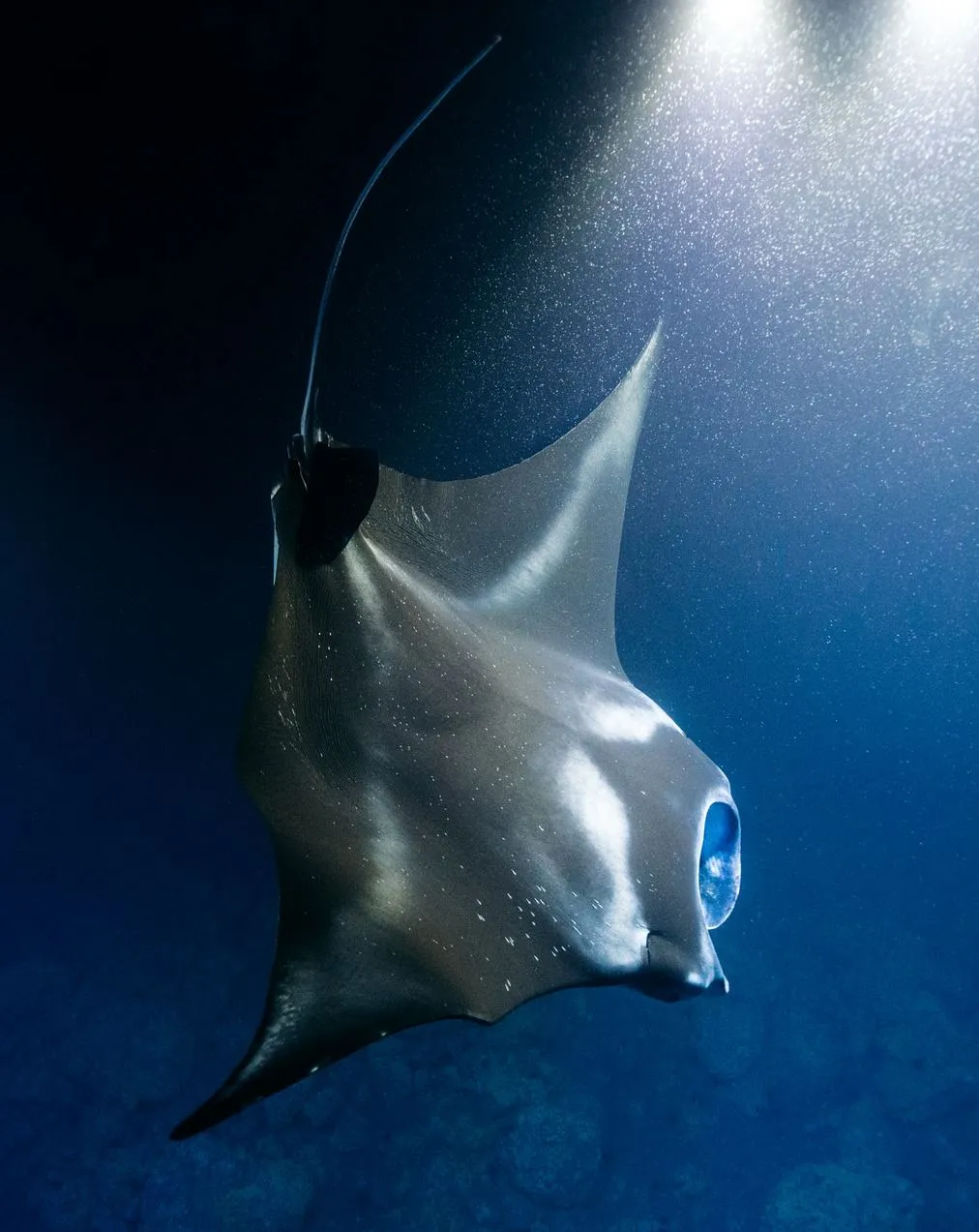
Mantas seem to follow plankton, currents, and cleaning cycles. But if you show up at the wrong time, you’re just as likely to see plenty of other marine life – sea turtles, reef sharks, rays – but maybe not the manta experience you’re after.
Wet Season Vs Dry Season Dynamics
In the north, a bit of wet season rain can turn the water from a lovely turquoise to a murky green in the blink of an eye. In the south, the summer plankton blooms are like clockwork, drawing in all the filter feeders. June to October is when you can see Humpback whales gliding past the Reef Islands and Hervey Bay, and then from May to August, minke whales cruise through the Ribbon Reefs.
The Rule Of Thumb For Manta Searches
- Southern GBR (Lady Elliot & Musgrave): November to March is prime feeding time, but May to August is when you’ll catch the cleaning station at its peak.
- Northern Ribbons / Port Douglas Region: June to August is the magic time, and you’ll find the Dwarf Minke Whales cruising the waters alongside you.
Offshore Operators Who Really Know What They’re Doing
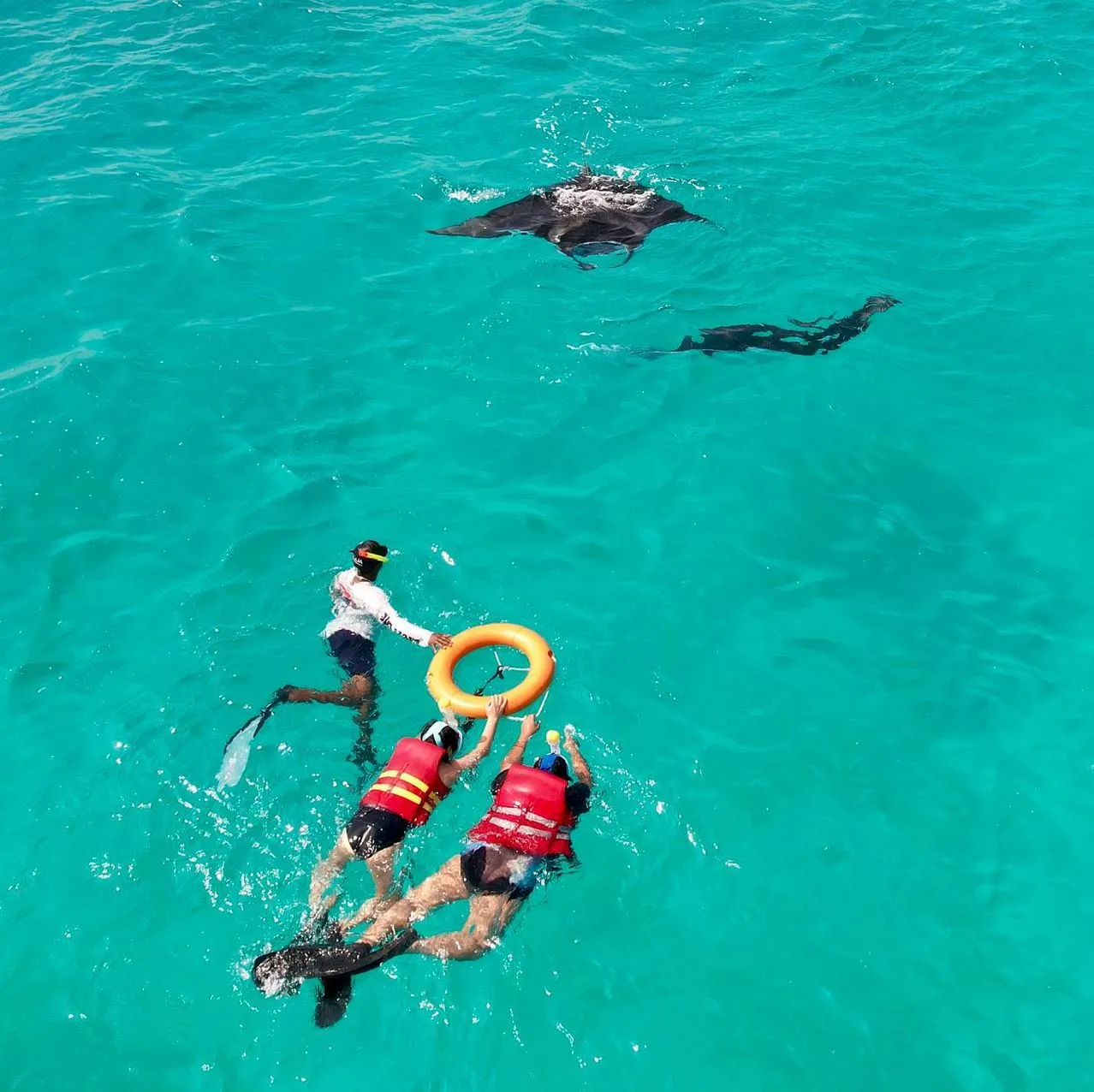
Only a handful of dive operators have spent years studying manta behaviour, reef ecosystems and the subtleties of tide and bloom cycles. Many of the best operators partner with Great Barrier Reef Tour, which ensures they’re safe, environmentally friendly, and know a thing or two about manta spotting.
The Lady Elliot Island Eco Resort Teams
These guys work with Project Manta, Eye on the Reef Sightings, and marine researchers who use ultrasound equipment to study manta reproduction. If they know a cleaning station is active before sunrise, you can be sure they’re taking you to the right spot.
The Liveaboard Teams On The Ribbon And Osprey Reefs
These guys fine-tune their itineraries based on the seasonal manta train behaviour, Dwarf Minke Whales, and the deep-water upwellings. There’s nothing quite like sipping a cup of coffee on deck while watching a Reef Manta Ray do loops below the water.
Your Regional Departure Hubs
- Hervey Bay Airport – from here, you can get flights to Lady Elliot Island.
- Gold Coast Airport – this will get you to the Seair Pacific hangar.
- Port Douglas & Cairns – these are your gateways to Ribbon Reef adventures.
Gear And Prep To Make Your Day Go More Smoothly
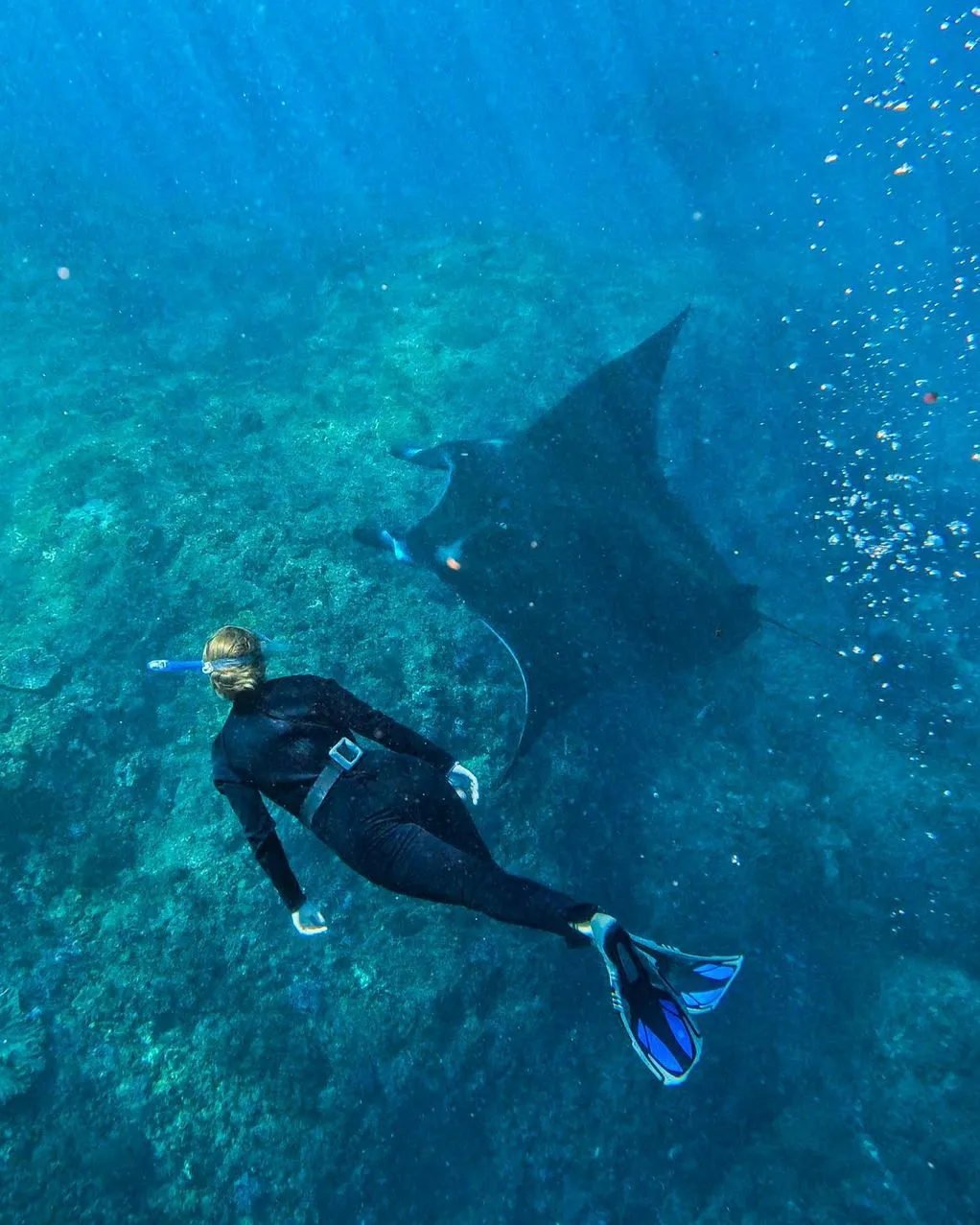
The Bare Essentials
- A mask and snorkelling that actually fit you
- A stinger suit for Tropical North Queensland summer weather
- An underwater camera for getting those manta ID shots
- Reef-safe sunscreen so you can help protect the coral reefs and the creatures that call them home
For Scuba Divers
- A weighted belt that’s the right thickness for your wetsuit
- Make sure your dive computer battery is charged
- And please, be respectful of the marine life – manta rays, reef sharks and sea turtles can get a bit cranky when you’re too close
Local Travel Notes You Just Need To Know
The Reef is truly stunning, but it’s not a theme park; it’s a protected Marine Park with strict rules to keep it that way.
Permits, The Country And The Conservation Scene
The team behind the Marine Park Authority, the Traditional Owners and the people behind Project Manta all work together on keeping the reef safe – from getting rid of invasive species and monitoring the reef, to making sure we can enjoy it sustainably.
Cyclones
If a cyclone pops up in the Coral Sea, even if it’s a long way out, the Ribbon Reefs and Frankland Islands can go from calm to rough as guts in no time.
Visibility – Some Other Thing To Keep In Mind
Last season, after a really wet week, Fitzroy Island’s lagoon went from bright blue to a murky brown in just 24 hours. Nature does what it wants – your Instagram feed isn’t the priority
Flight Stuff – Importantly Baggage Limits
Flights to Lady Elliot and Lady Musgrave islands have very strict baggage limits. You’ve been warned – pack light.
FAQ
Swimming With Manta Rays – Safe?
Yeah, it’s fine. Reef Manta Rays and Giant Manta Rays are harmless filter feeders – they don’t have any stingers.
Do I Need To Dive Or Will Snorkelling Be Enough?
Snorkelling actually gives you a better view most of the time – most of the places the mantas clean themselves are within 5-15 metres of the surface.
Best Time To See Manta Rays?
Southern GBR is good from November to March, when they’re feeding, then from May to August, when they’re getting cleaned.
Ribbon Reefs are best in June and August when the Dwarf Minke Whales are around.
Other Animals I Can See On A Manta Trip?
Loads – sea turtles, reef sharks, Potato Cod, Maori Wrasse and minke whales all live in the same waters – you might even catch a glimpse of them.
How Can I Help Out With Conservation Efforts?
You can – you can log your manta sightings through Eye on the Reef, send in some citizen science entries and even help out with Project Manta IDs, all of which help keep an eye on manta populations and conservation – it’s all helping to keep the reef safe for everyone.